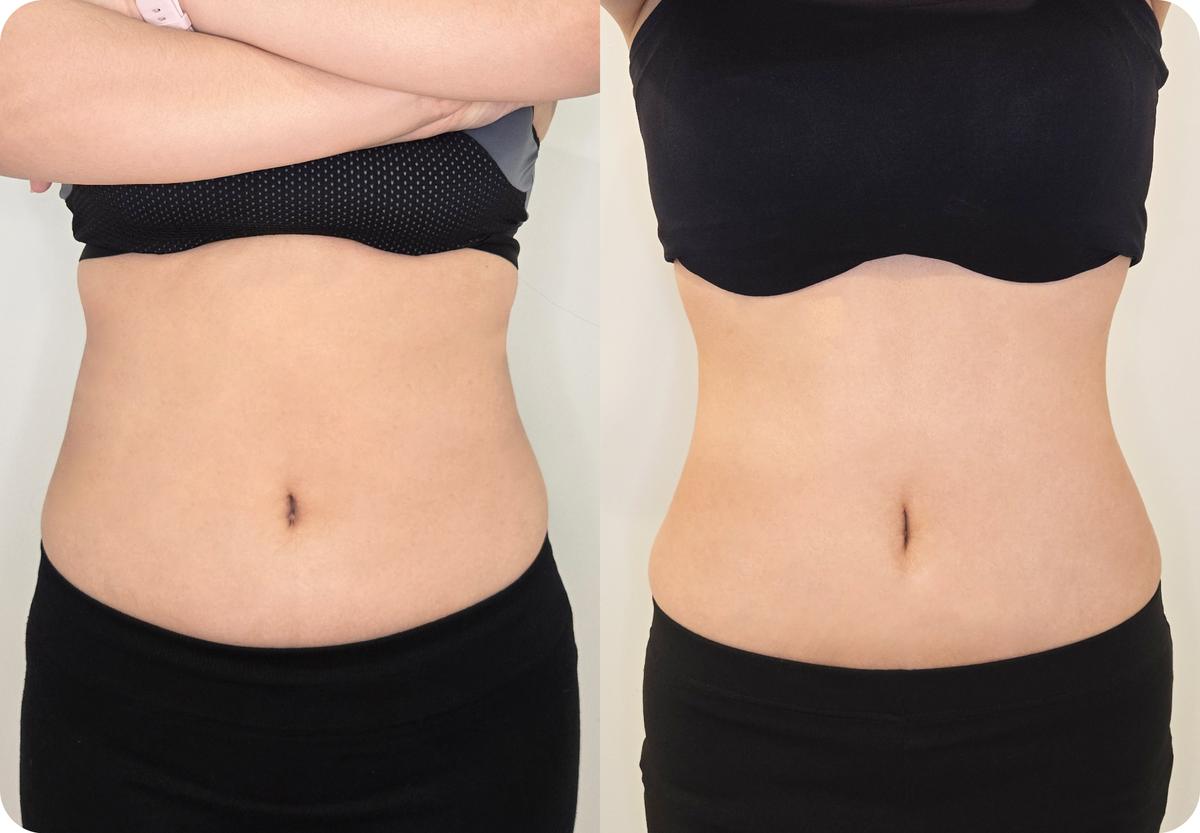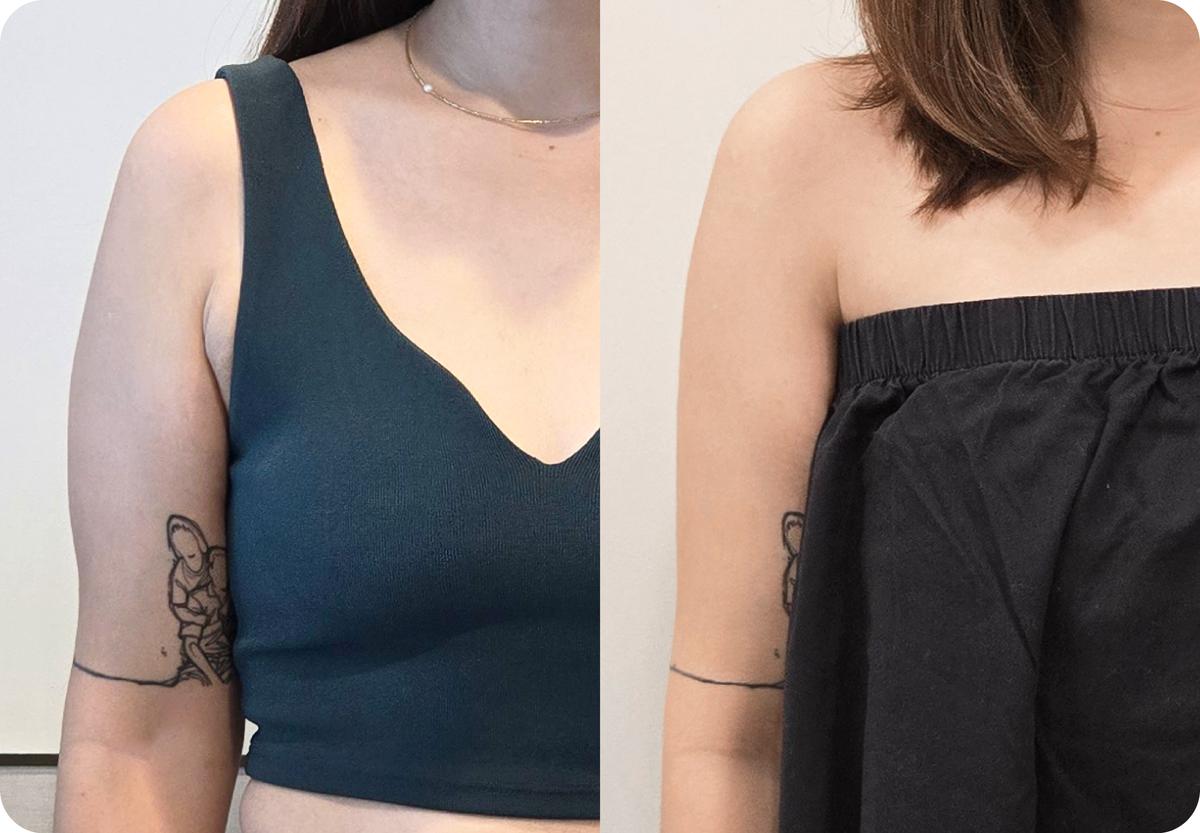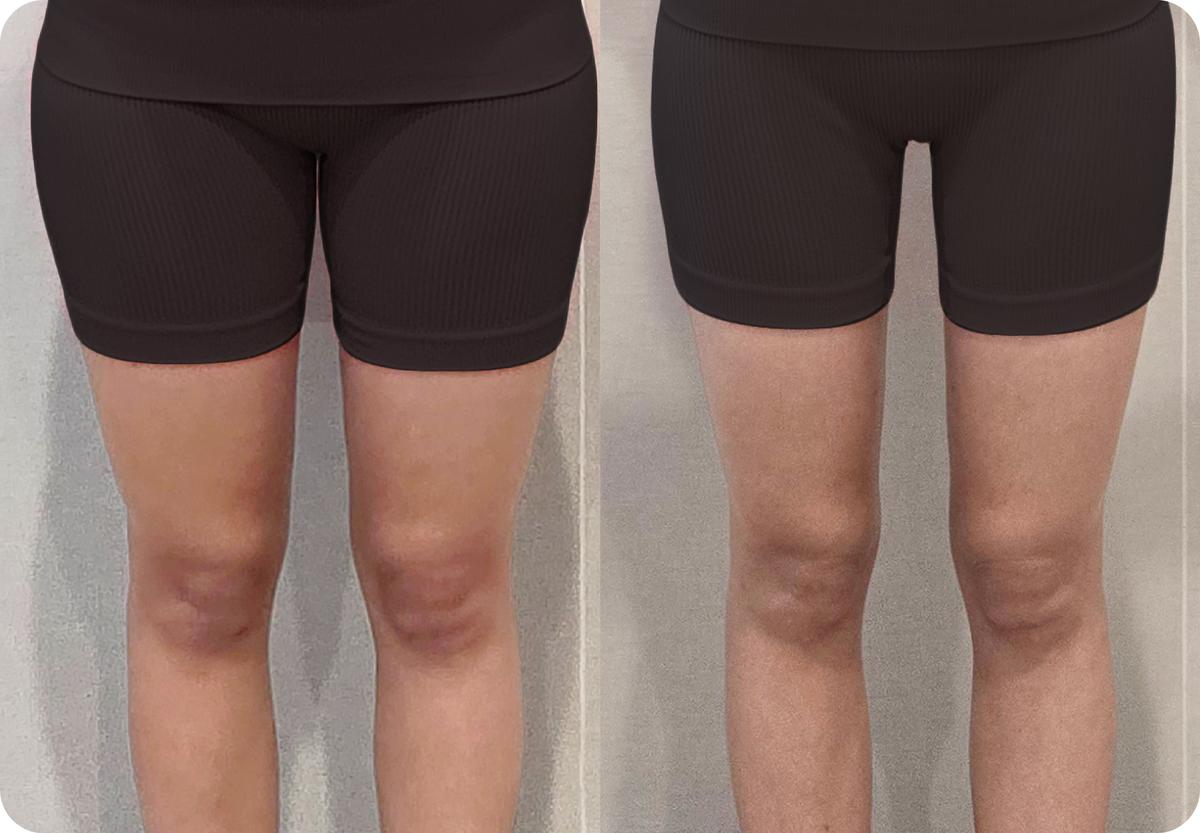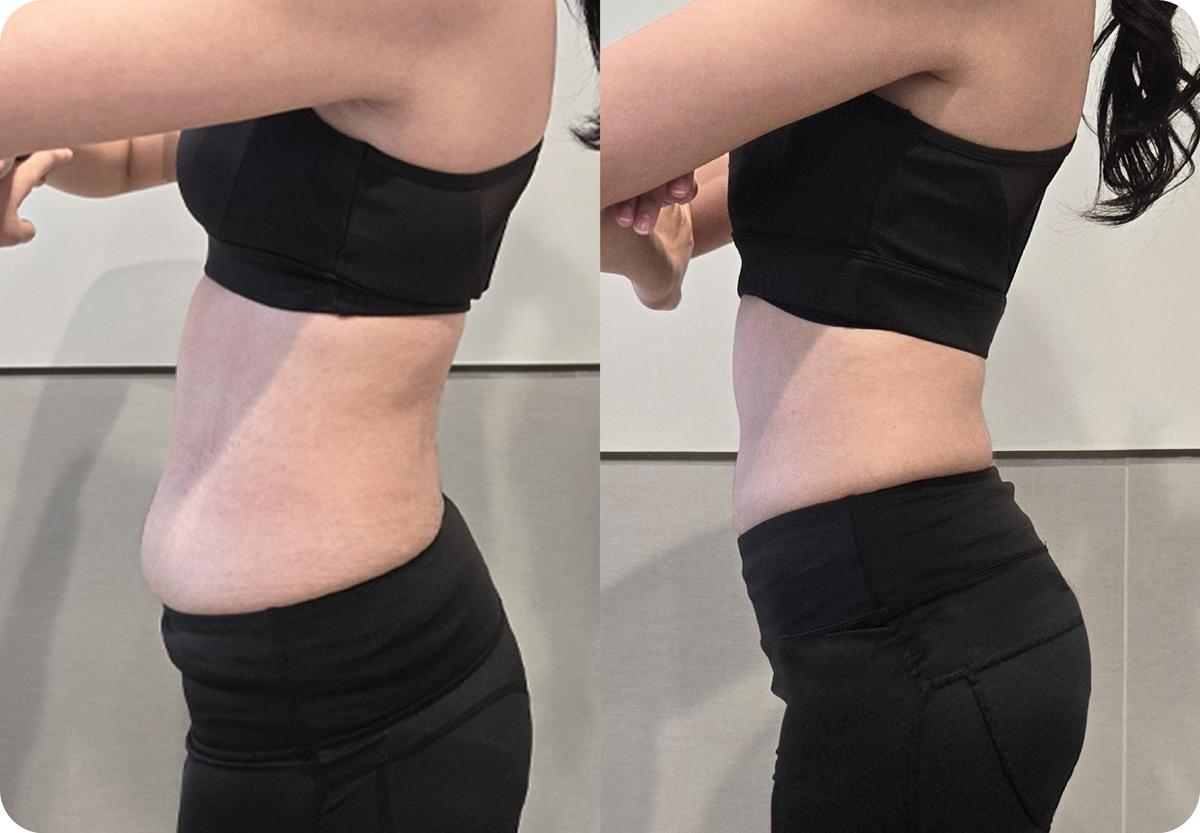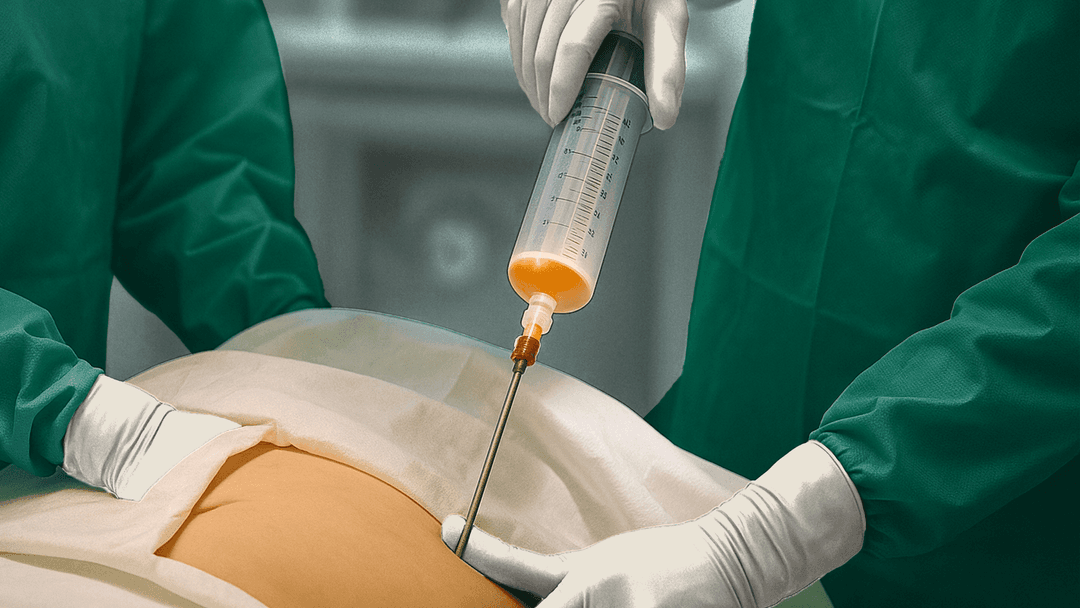
Fat grafting, also known as fat transfer, is a modern aesthetic procedure used to create more contoured areas of the body. This procedure gives the patient's body in that area a fuller, more voluminous appearance. The resulting body part is the result of fat transfer from the patient's own body. What makes this fat grafting method so popular and safe? Scroll down to read an explanation below.
What is Fat Graft?
Fat grafting, also known as fat transfer, is a medical procedure typically performed by a plastic surgeon using a patient's own body or facial fat to enhance volume in specific areas of the body. This procedure involves taking fat from areas with excess fat (the abdomen, thighs, or waist) and then injecting it back into areas requiring additional volume, creating a more balanced and refined contour.
This method is now popular because it utilizes the body's own natural tissue, resulting in a relatively lower risk of allergic reactions or rejection compared to synthetic fillers. The cost of a fat graft varies but typically ranges from IDR 25 million to IDR 50 million for a single procedure. Fat grafting is generally performed in conjunction with liposuction.
Where on the Body Can Fat Grafting Be Performed?
The fat grafting procedure is a flexible method that can be performed on various areas of the body, including:
- Face: cheeks, under the eyes, chin, temples, and lips.
- Hands: to disguise prominent veins and signs of aging.
- Breasts: for natural enlargement or post-surgery contour correction.
- Buttocks: to create a fuller appearance.
- Scars or dimpled areas resulting from trauma.
Fat grafting benefit isn't just about achieving a more ideal or aesthetic appearance; it also offers other benefits:
- Increasing skin elasticity because the fat contains stem cells, which are good for skin regeneration.
- It adds volume to aging faces after fat grafting, reducing wrinkles and creases.
- Fat grafting can help areas such as the breasts or buttocks appear fuller and more proportionate.
How Does the Fat Graft Procedure Work?
The fat graft procedure involves several steps, from before to after treatment, including:
Consultation with the Doctor
It's important to consult and undergo a health screening with a doctor. The patient's medical history, current medications, and the area to be treated will be assessed. Some patients are also advised to refrain from daily activities, such as smoking or taking supplements.
Starting the Procedure
Next, if the patient meets the requirements for the fat graft procedure, the day of the procedure begins with the doctor marking the areas of the body where fat will be harvested and the areas where fat will be filled to create a more precise contour. After that, local anesthesia is administered to the area, followed by infiltration of the fat grafting solution to reduce pain and facilitate fat removal.
Fat Removal and Fat Purification
In this procedure, the doctor extracts fat using a small cannula from the area to be harvested. The fat is then collected in a sterile vial for fat purification before transfer. The fat purification process selects healthy fat cells ready for transfer to areas of the body that need contouring. Processes like macro fat grafting use larger fat cells for areas requiring significant volume, while nano fat grafting processes fat cells for rejuvenating injections, such as improving skin tone, quality, and texture.
Injecting Fat into the Target Area
In this process, the doctor injects fat into the target area (grafting) of the patient's body. Using a small cannula using a fanning and threading technique, the fat is distributed evenly throughout the target area to quickly reach the blood supply.
Closing the Procedure Area
The final step is to cover the area where the fat was removed with a bandage, as it only results in a small puncture wound. Compression garments are also recommended to reduce swelling and allow the skin to adapt after the procedure.
Post-Procedure Recovery Process
Patients who have done fat grafting will experience some recovery time. There will typically be some pain, swelling, or bruising in the first one to two weeks. Accurate results will be visible after several months. During this recovery period, patients should still see their doctor for check-ups every week to one month, as regular check-ups are required to evaluate the results. During recovery, patients are generally advised not to do heavy exercise or take hot baths for the first week.
Are There Any Side Effects?
The fat grafting procedure, or fat transfer, is proven safe, but as with any medical procedure, there is a potential for side effects. What are the risks of fat grafting? Patients may experience swelling and bruising at the donor or injection site; this is normal. Therefore, consulting a doctor before the procedure is crucial to understand the post-procedure conditions.
Akasia 365mc Body Aesthetic Center offers fat grafting or lipofilling treatment, which are certified according to Korean standards. Through Korean standards and certified professional specialists, patients receive comfortable and safe care from pre-treatment to post-treatment. Visit akasia 365mc Body Aesthetic Clinic in Jakarta and Surabaya for worry-free fat transfer!