"If I've already had liposuction, do I still need—or can I still use—GLP-1?"
Here's what you need to know about GLP-1 therapy after liposuction.
Can I Use GLP-1 After Liposuction?
With the growing number of positive reviews from GLP-1 users, more people are becoming interested in trying this treatment. A common question we hear is:
"If I've already had liposuction, do I still need—or can I still use—GLP-1?"
To answer this, you must first know that LAMS and GLP-1 work through completely different mechanisms, making them complementary treatments rather than alternatives.
Here's what you need to know about GLP-1 therapy after liposuction.
What Is the Difference Between LAMS and GLP-1?
Although both are related to body shape and weight management, they serve different purposes.
GLP-1 Therapy
GLP-1 medications—such as Ozempic®, Wegovy®, and Mounjaro®—work by regulating appetite and metabolism.
They help to:
Unlike LAMS, GLP-1 does not remove fat cells from the body. Instead, it promotes weight loss by reducing the size of existing fat cells.
LAMS
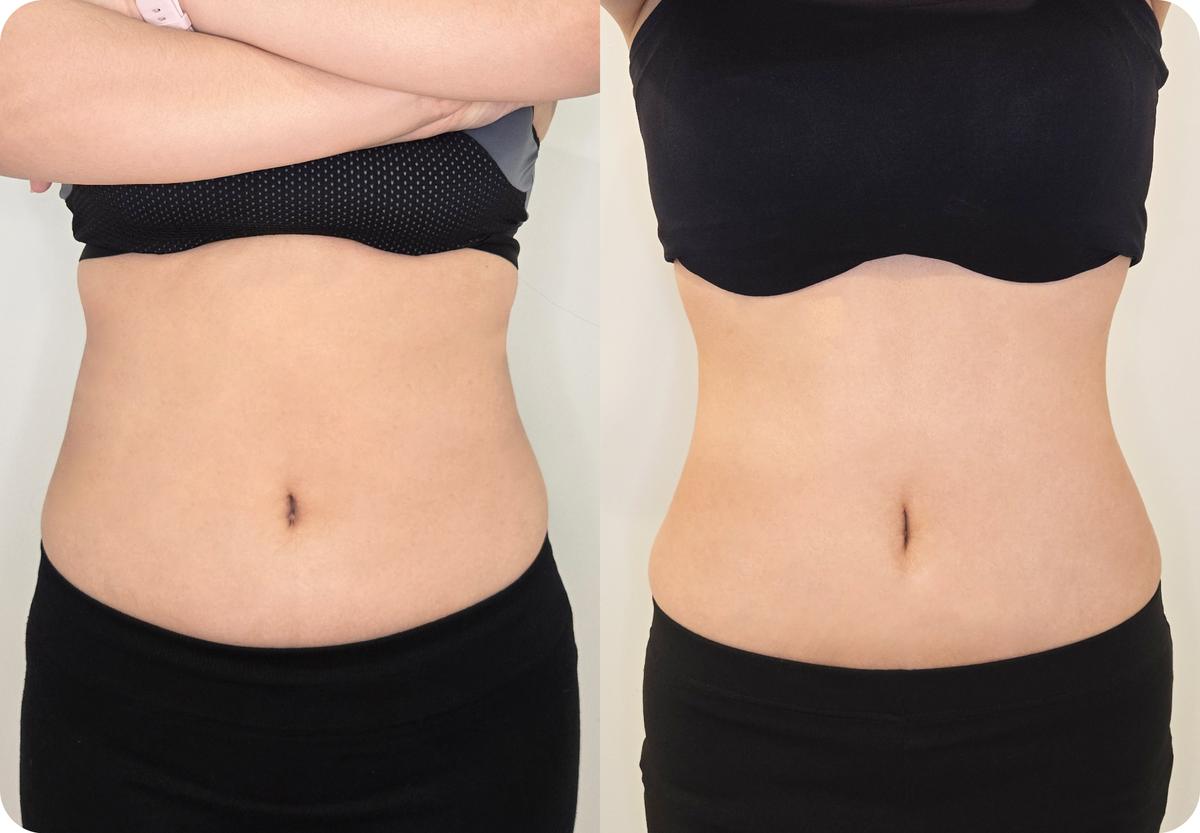
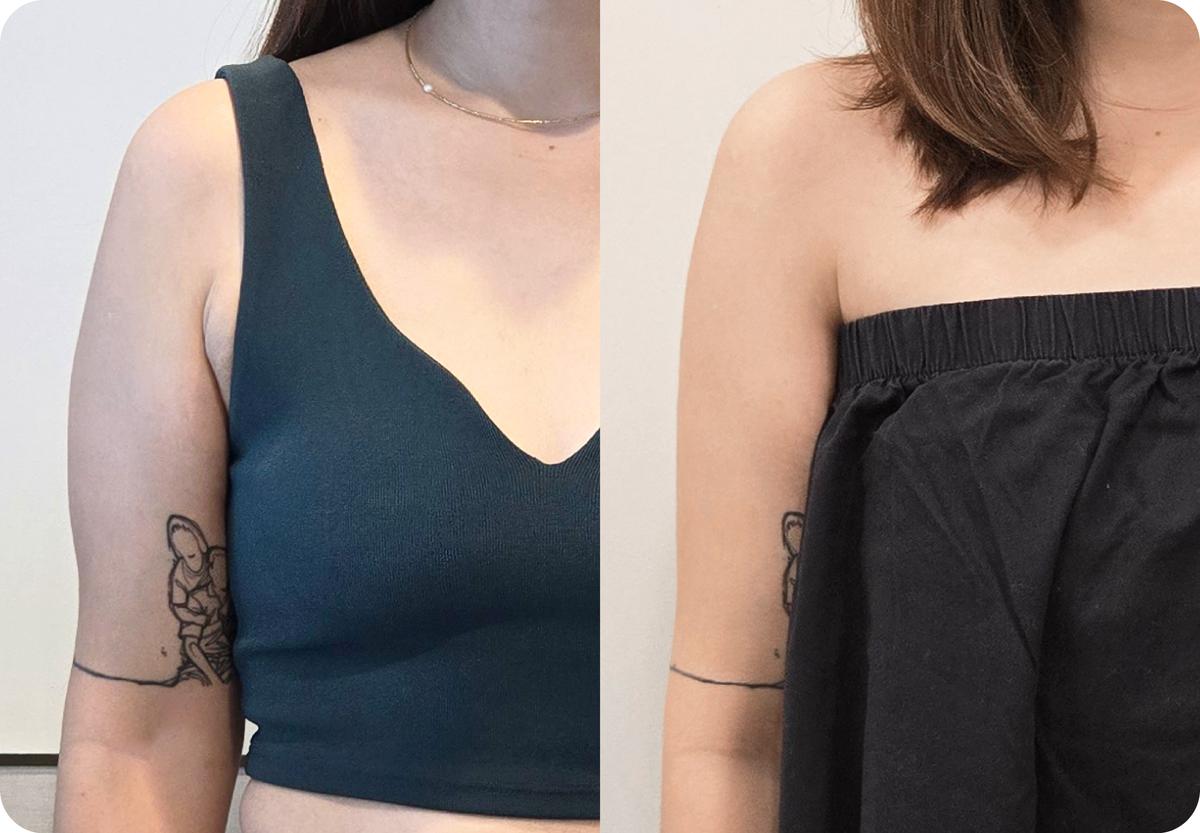
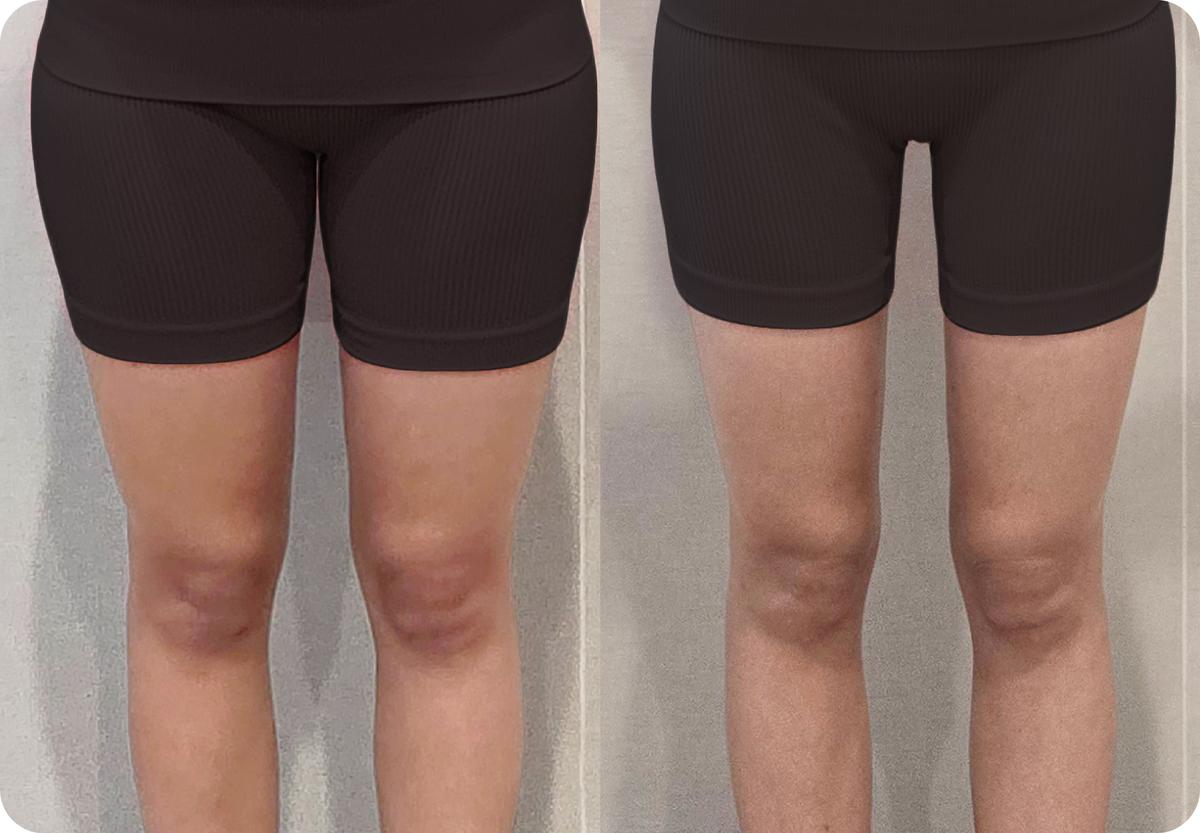
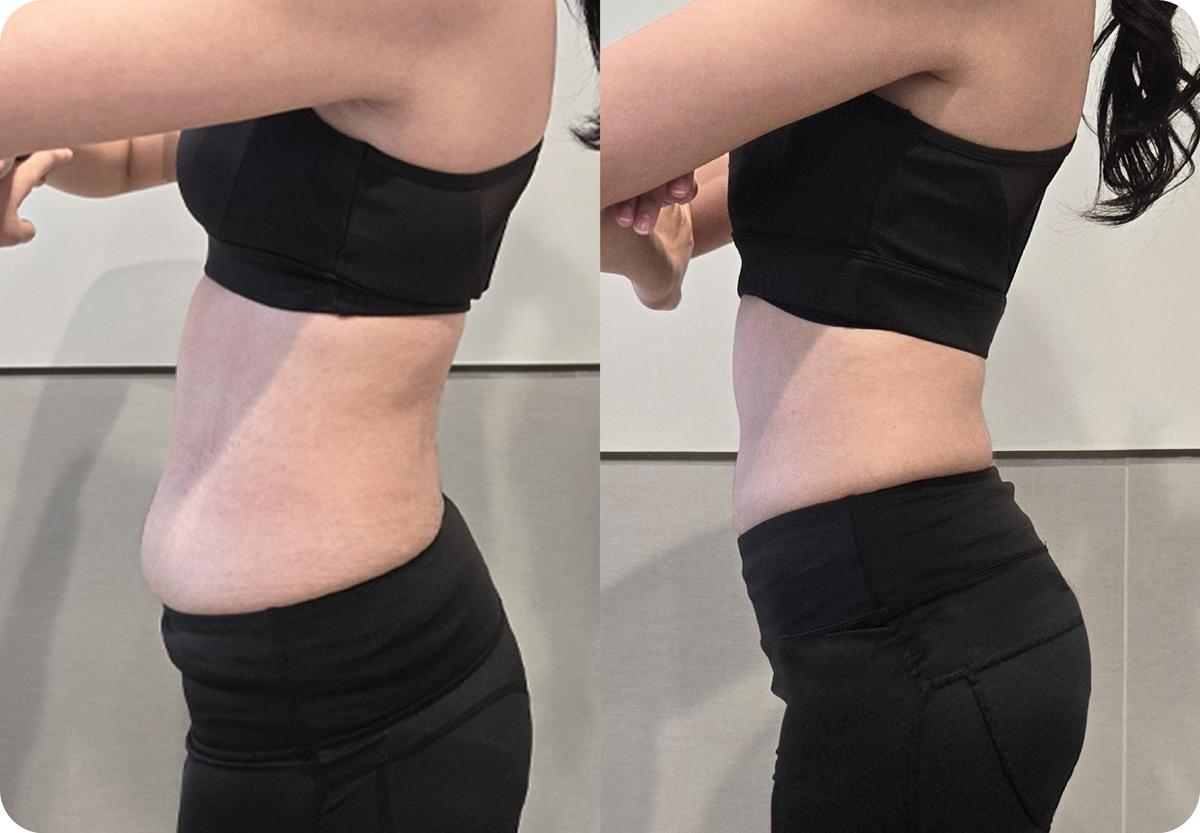
LAMS (Local Anesthetic Minimal-invasive lipoSuction) is a minimally invasive body contouring procedure that physically removes fat cells from targeted areas such as the abdomen, upper arms, thighs, or flanks.
LAMS effectively helps to:
Remove localized fat deposits that are resistant to diet and exercise.
Improve body proportions.
Create a more defined body contour.
It's important to understand that LAMS is not a weight-loss procedure. Rather, it is a body contouring treatment designed to reshape specific areas of the body.
Why Can LAMS and GLP-1 Complement Each Other?
Simply put:
LAMS sculpts your body.
GLP-1 helps you maintain the results by supporting long-term weight management.
After undergoing LAMS, patients are still encouraged to maintain a healthy diet and exercise regularly to preserve their body contouring results.
For selected patients—particularly those who are overweight or living with obesity—GLP-1 therapy may help control appetite and reduce the risk of regaining weight.
When used in appropriate candidates, combining LAMS and GLP-1 may help:
Maintain body contouring results.
Support long-term weight management.
Reduce the likelihood of weight regain.
However, GLP-1 is not a substitute for a healthy lifestyle. A balanced diet and regular physical activity remain the foundation of long-term success.
Using GLP-1 After LAMS
Before starting GLP-1 therapy, you should first consult a Clinical Nutritionist. During the session, the doctor will evaluate several factors, including:
After assessing your overall health, recovery status, and treatment goals, your doctor can determine whether GLP-1 therapy is appropriate for you.
In most cases, your doctor will recommend allowing your body to recover adequately from the procedure before initiating or resuming GLP-1 therapy.
The Best Results Come from a Comprehensive Approach
Neither LAMS nor GLP-1 should be viewed as a standalone solution.
To achieve optimal and long-lasting results, both should be supported by:
A balanced, nutritious diet.
Regular physical activity.
Healthy lifestyle habits.
A personalized medical program tailored to your individual needs.
With the right approach, LAMS helps reshape the body, while GLP-1 supports long-term weight management, allowing patients to achieve more sustainable and long-lasting outcomes.
Consult Your Doctor First
If you're considering GLP-1 therapy after undergoing LAMS or liposuction, consult our doctor before starting treatment. A comprehensive medical evaluation will help determine whether GLP-1 is appropriate based on your overall health, weight management goals, and body contouring objectives, ensuring the safest, most effective, and longest-lasting results.