
Scars are a common skin concern, leading many people to try products that claim to fade—or even completely remove—them. But can scars really disappear with the use of creams or ointments alone?
In reality, scars are a natural part of the body's healing process. When the dermis is injured, the body produces collagen to repair the damaged tissue. This repair process results in the formation of scar tissue.
Not all scars are the same. Their appearance, texture, color, and severity vary depending on the type and depth of the injury, as well as each individual's healing response. As a result, different types of scars often require different treatment approaches.
Read on to learn about the different types of scars and how to choose the most appropriate treatment to improve their appearance.
Facts About Your Scar
Not all scars look the same. The type of scar that develops depends on several factors, including the depth of the injury, the body's healing process, and each individual's collagen production. Below are the most common types of scars:
1. Flat Scars
Flat scars are typically pink, brown, or lighter than the surrounding skin. Their surface is generally smooth and level with the skin, and they often fade gradually over time.
Flat scars commonly result from:
Minor scratches or abrasions
Small cuts or incisions
Mild acne scars
Surgical or medical procedure wounds that heal well
Newly formed flat scars often respond well to topical treatments, such as:
Silicone gel or silicone sheets
Moisturizing creams to help maintain skin hydration
Sunscreen to prevent hyperpigmentation of the scar
For the best results, treatment should begin as soon as the wound has completely healed.
2. Raised Scars (Hypertrophic & Keloid Scars)
Raised scars develop when the body produces excess collagen during the healing process. Hypertrophic scars remain within the boundaries of the original wound, while keloids grow beyond the original wound and may continue to enlarge over time.
Common characteristics include:
Raised appearance
Firm or thickened texture
Red or darker pigmentation
Itching or discomfort in some cases
Raised scars often require medical treatment, as topical creams alone are usually not sufficient.
Depending on the scar, your doctor may recommend treatments such as:
Corticosteroid injections
Silicone therapy
Laser treatment
Pressure therapy (in selected cases)
Surgical scar revision combined with other therapies to reduce the risk of recurrence
3. Atrophic Scars & Procedure Scars
These scars appear as depressions or fine lines due to the loss of tissue beneath the skin. Examples include:
Deep acne scars
Chickenpox scars
Scars following surgery or body contouring procedures, including LAMS
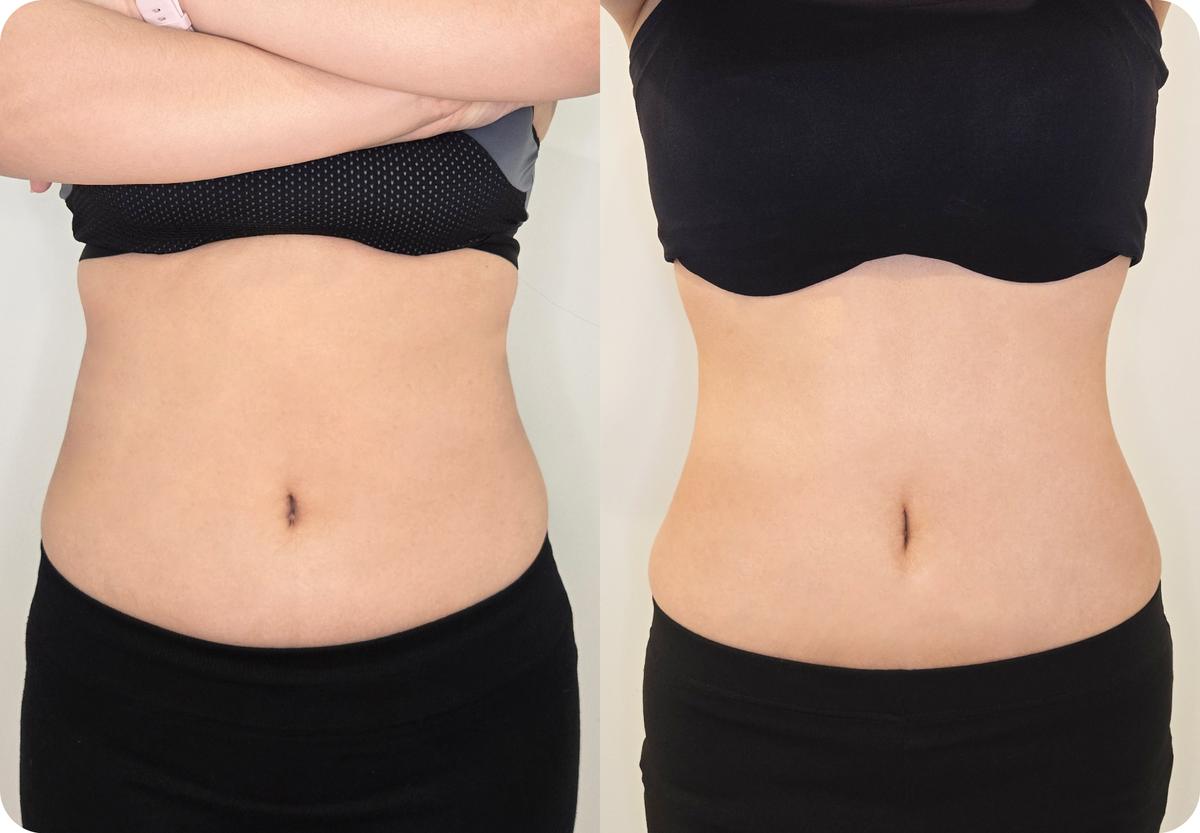
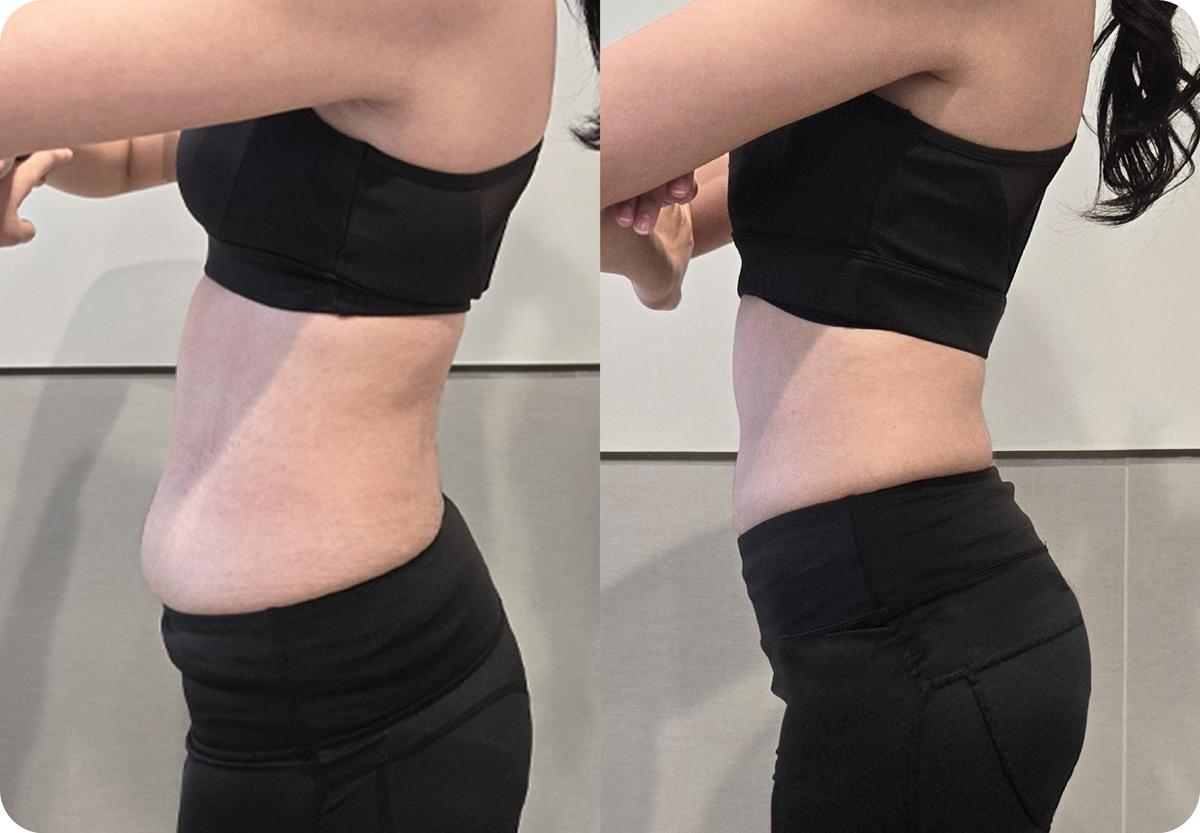
During LAMS (Local Anesthesia Minimal-invasive Liposuction), very small incisions are made, so the resulting scars are typically tiny dots or fine lines. However, the quality of scar healing still depends on factors such as your skin type, the treatment area, and proper post-procedure care.
These scars can often be minimized with an appropriate post-treatment care plan. In addition to using scar gel as recommended by your doctor, treatments that may help improve the appearance of scars include:
Laser therapy to improve scar color and texture.
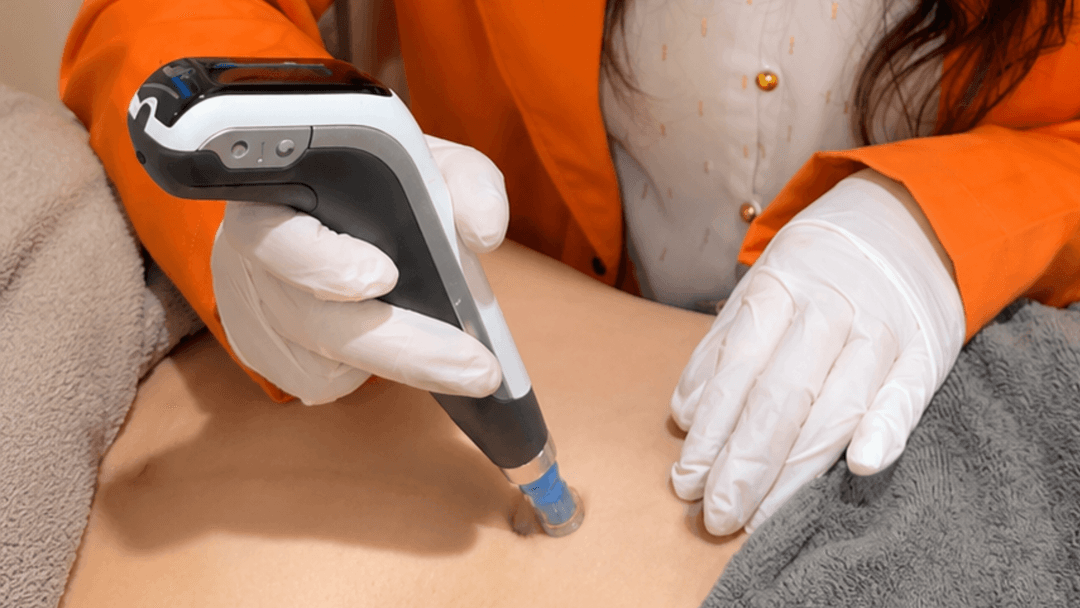
Dermapen to stimulate natural collagen production, helping improve skin texture and reduce the appearance of scars.
LDM (Local Dynamic Micro Massage) as a supportive treatment to promote tissue recovery, improve overall skin quality, and support the skin's natural regeneration process.
Choose the Right Treatment for Your Scar
Although scars cannot always be completely removed, early and appropriate treatment can significantly improve their color, texture, and overall appearance. Your doctor will recommend the most suitable treatment based on the age of the scar, your skin condition, the type of scar, and your individual healing response.
If you are concerned about a scar or would like to explore the most appropriate treatment options, consult with one of the doctors at Akasia 365mc for a personalized treatment plan tailored to your needs.