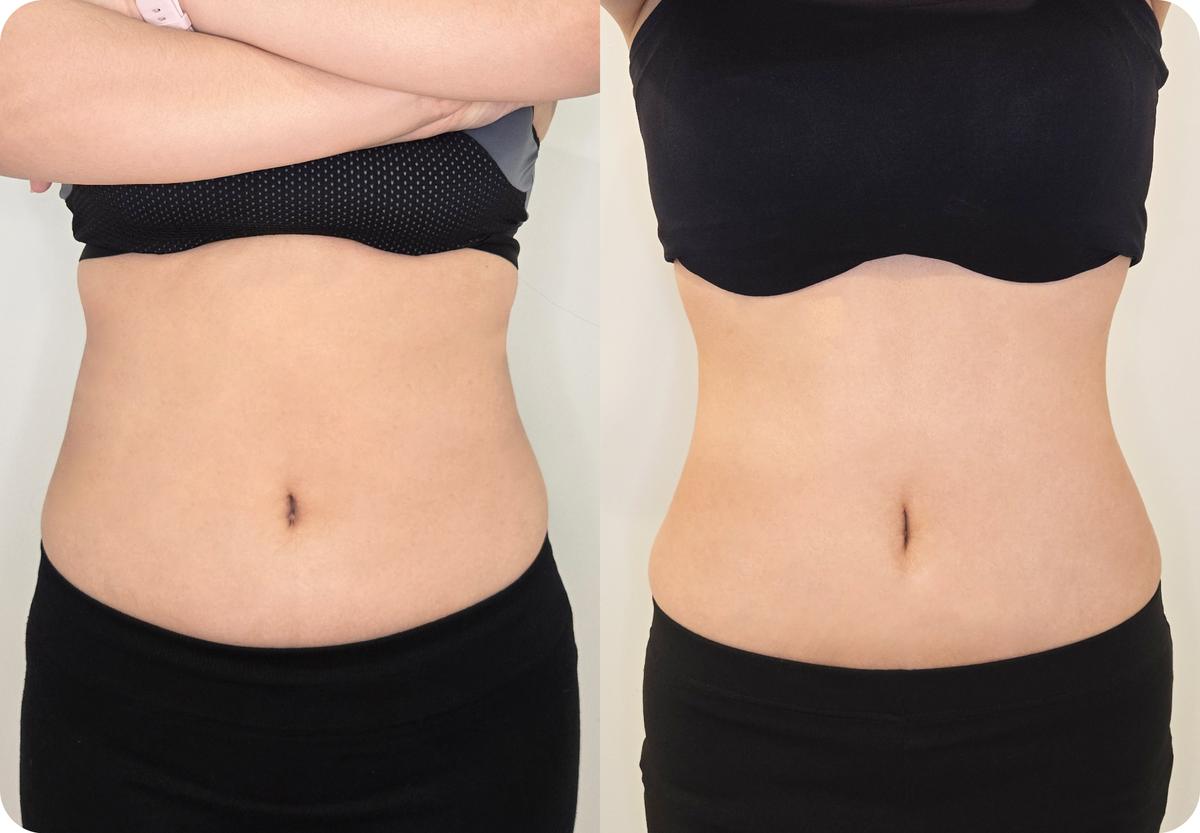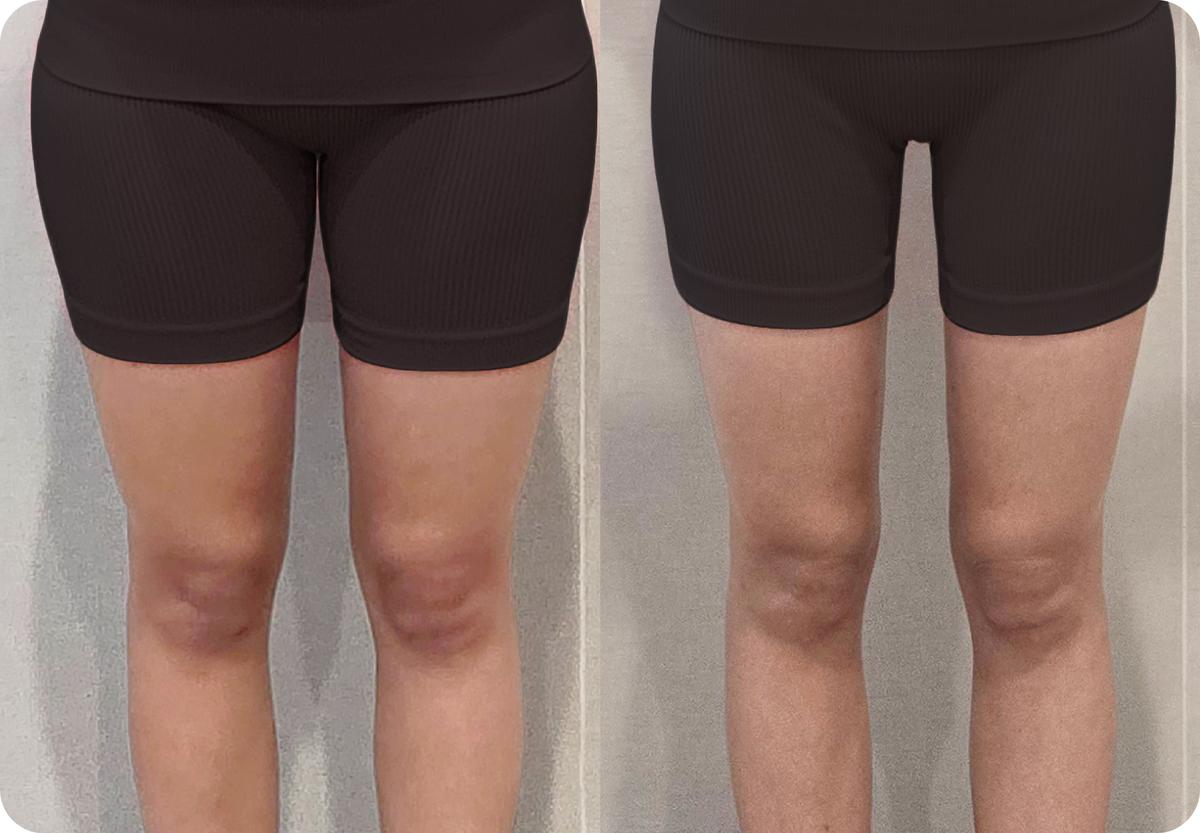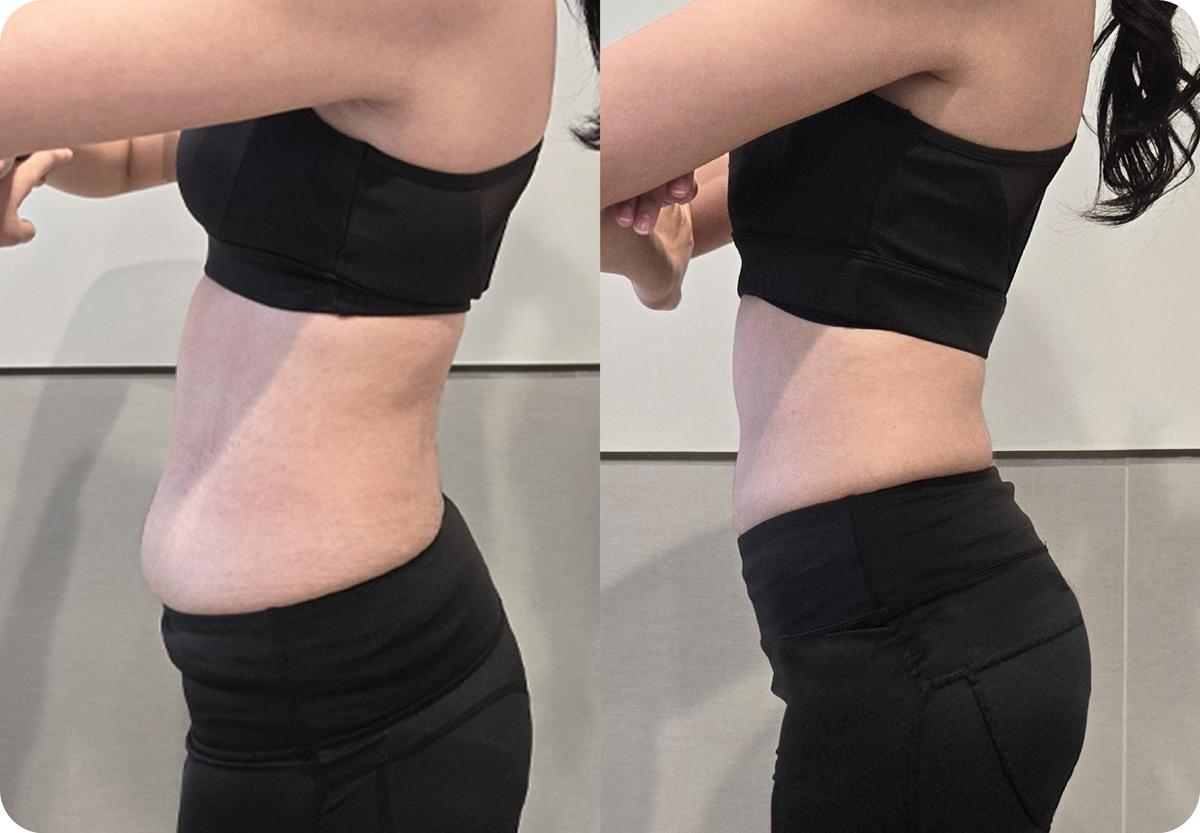
Not all diets are suitable for everyone. A diet that doesn't align with an individual's body type increases the likelihood of failure and health issues. In fact, everyone's body composition is different, influenced by their genetics or DNA (deoxyribonucleic acid) structure. This can be determined through nutrigenomic testing.
What is Nutrigenomics?
Nutrigenomics is the science that studies the relationship between nutrition and a person's genetics, and explains how the food you eat will affect the way your genetics work, and how genetics affect the body's response to different types of food.
Each person has a unique genetic makeup that influences how the body processes food, how they respond to certain foods, and even their potential for developing certain diseases. Nutrigenomic testing can help individuals determine a more appropriate and personalized diet through diet and exercise, based on their genetics.
The Purpose of Nutrigenomic Testing
Nutrigenomic testing is a genetic examination that aims to determine how a person's body responds to certain foods and nutrients. The goal is to:
- Identify gene variations that influence metabolism and nutritional needs.
- Help prevent chronic diseases through a genetically tailored diet, thereby helping reduce the risk of obesity, diabetes, or heart disease.
- Determine the diet that best suits your genetics or DNA, including the types and amounts of nutrients that are most effective for the body.
- Support a long-term healthy lifestyle with diet and exercise recommendations tailored to a person's genetics.
How Nutrigenomic Testing Works
By taking a nutrigenomic test, you will be able to:
1. DNA Sampling
The sample is taken via a cheek swab (saliva swab) or saliva, which is painless. The sample is then sent to a specialized laboratory for analysis.
2. Genetic Analysis
In the laboratory, the DNA is processed and examined using advanced technology to detect genetic variations related to metabolism, food intolerances, or calorie processing.
3. Gene Variation Identification
The person's genetic variations may include folate and vitamin B metabolism, caffeine metabolism, obesity risk, and lactose tolerance.
4. Recommendations Based on Test Results
The results are analyzed by the doctor to determine nutritional needs and lifestyle adjustments. Based on the analysis, the doctor may recommend foods to increase or limit, specific nutrients needed, supplement requirements, and exercise recommendations.
Nutrigenomic testing not only helps you understand your body's genetic condition but can also guide you in adopting a long-term healthy lifestyle. Visit akasia 365mc to consult about diet therapy with a clinical nutrition specialist, a nutrigenomic test, and a personalized meal plan with a doctor to determine the right diet for you.
Contact akasia 365mc Aesthetic Body Clinic for more detailed information about DNAkasia365's nutrigenomic services.