
Stretch Marks: Are They Really Caused by Rapid Weight Changes?
Stretch marks are often thought of as marks that appear solely because of significant weight changes. In reality, stretch marks are lines that develop when the skin stretches excessively, causing damage to the collagen and elastin fibers beneath the skin's surface. They commonly appear on areas of the body that frequently change in size, such as the abdomen, thighs, hips, upper arms, and buttocks.
Fact or Myth: Do Rapid Weight Gain and Weight Loss Cause Stretch Marks?
Fact. Rapid weight gain or weight loss can indeed trigger the development of stretch marks.
When you gain weight, your skin stretches to accommodate the increased body volume. Conversely, when you lose weight rapidly, your skin must adapt to a reduced body volume and changing body shape.
In the early stages, stretch marks typically appear red, purple, or brown due to the inflammatory process as the skin repairs damaged tissue. Over time, they gradually fade and become thin white lines on the skin's surface. These white stretch marks are generally much more difficult to treat.
However, the visibility of stretch marks varies from person to person. Factors such as genetics, skin elasticity, and hormonal changes also influence whether stretch marks appear more noticeable or fade more easily.
Other Causes of Stretch Marks
Besides rapid weight fluctuations, stretch marks can also result from various conditions that cause the skin to stretch or shrink over a short period.
Factors that may increase the risk of developing stretch marks include:
Pregnancy, especially during the third trimester when the abdomen expands significantly.
Puberty, due to rapid growth spurts and changes in body shape.
Genetics, particularly if your parents or close family members have stretch marks.
Long-term use of corticosteroid medications, which can reduce skin elasticity.
Rapid muscle growth, such as from intensive strength training or the use of anabolic steroids.
How to Reduce the Appearance of Stretch Marks
Stretch marks cannot always be completely removed, but their appearance can often be improved, making the skin look smoother and more even.
When stretch marks are still red or purple, early treatment is recommended while the skin is still undergoing its natural healing process, as this can help improve their appearance. Once stretch marks have faded to white, more advanced treatments—such as laser therapy, medical tattooing (micropigmentation), or surgical procedures—may be required.
Here are several ways to help reduce the appearance of stretch marks:
1. Lose Weight Gradually
Avoid rapid weight loss. Giving your skin time to adjust to changes in body shape may help reduce the likelihood of developing new stretch marks.
2. Keep Your Skin Well Hydrated
Use a moisturizer enriched with skin-nourishing vitamins, and gently massage the skin to help maintain its elasticity.
3. Support Skin Health with Proper Nutrition
Eat foods rich in vitamin C, vitamin E, vitamin B2, vitamin B3, zinc, and silica. Staying well hydrated is also essential to support collagen and elastin production.
4. Choose Active Ingredients That Support Skin Regeneration
Ingredients such as aloe vera, hyaluronic acid, and Centella asiatica help maintain skin hydration while supporting the skin's natural repair process.
Tips for Reducing the Appearance of Stretch Marks
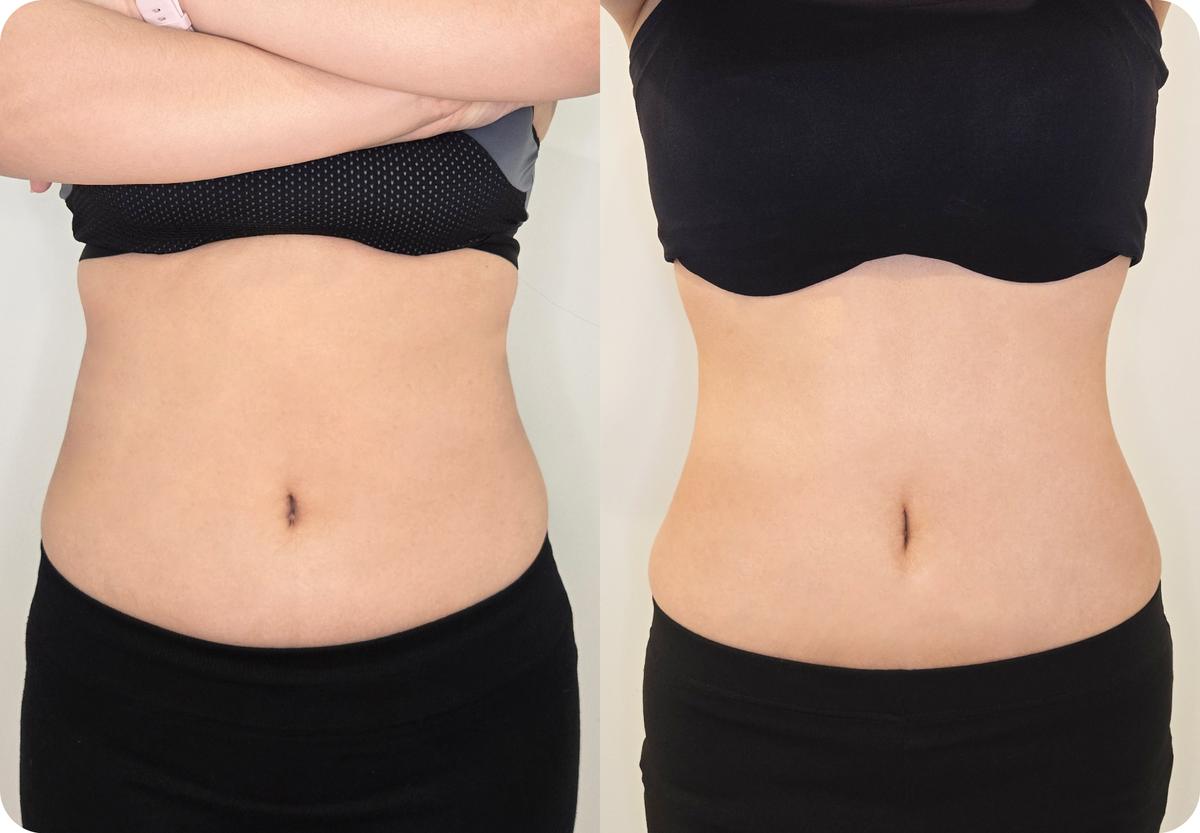
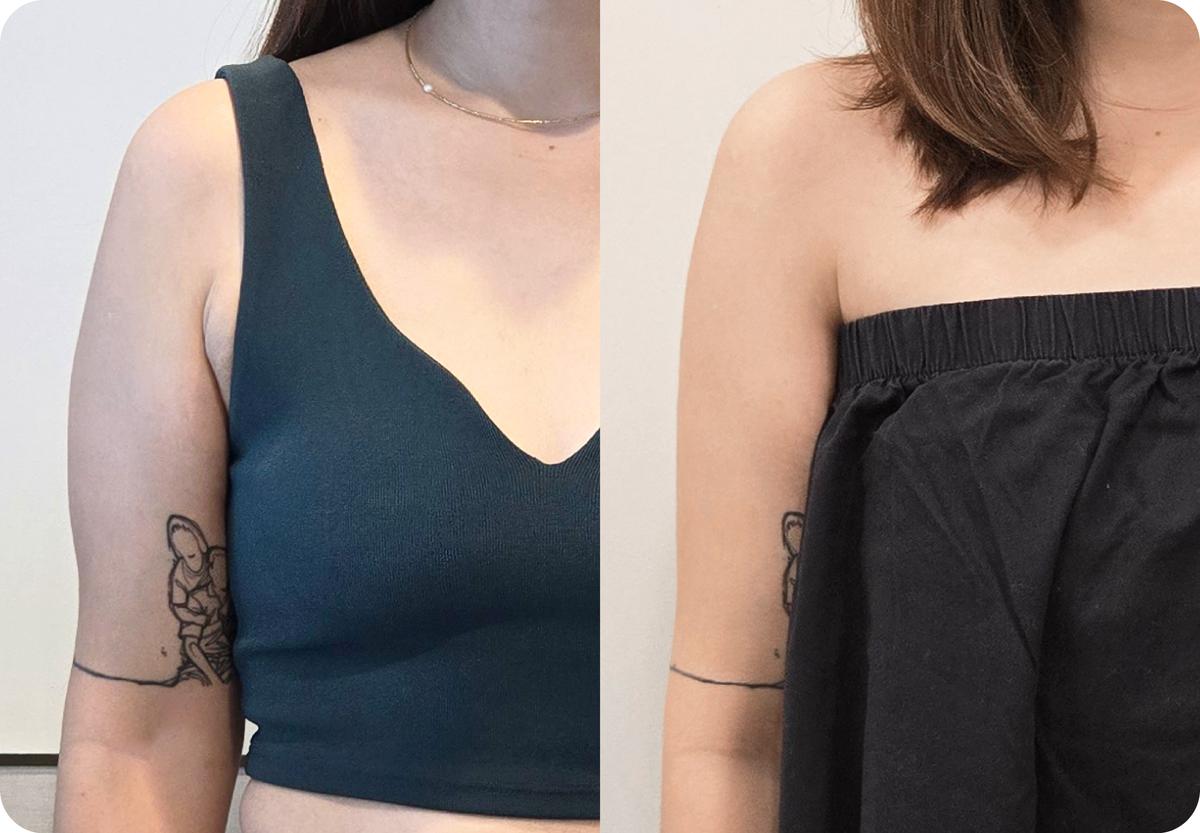
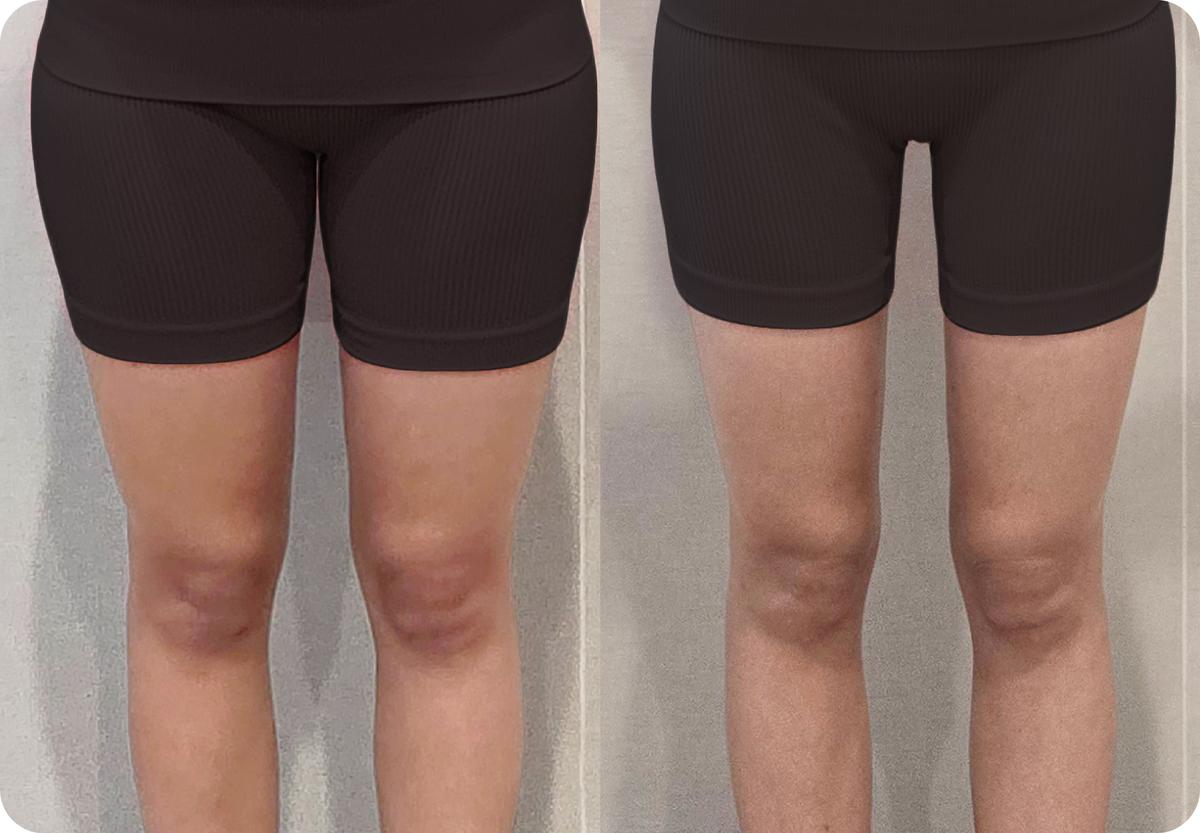
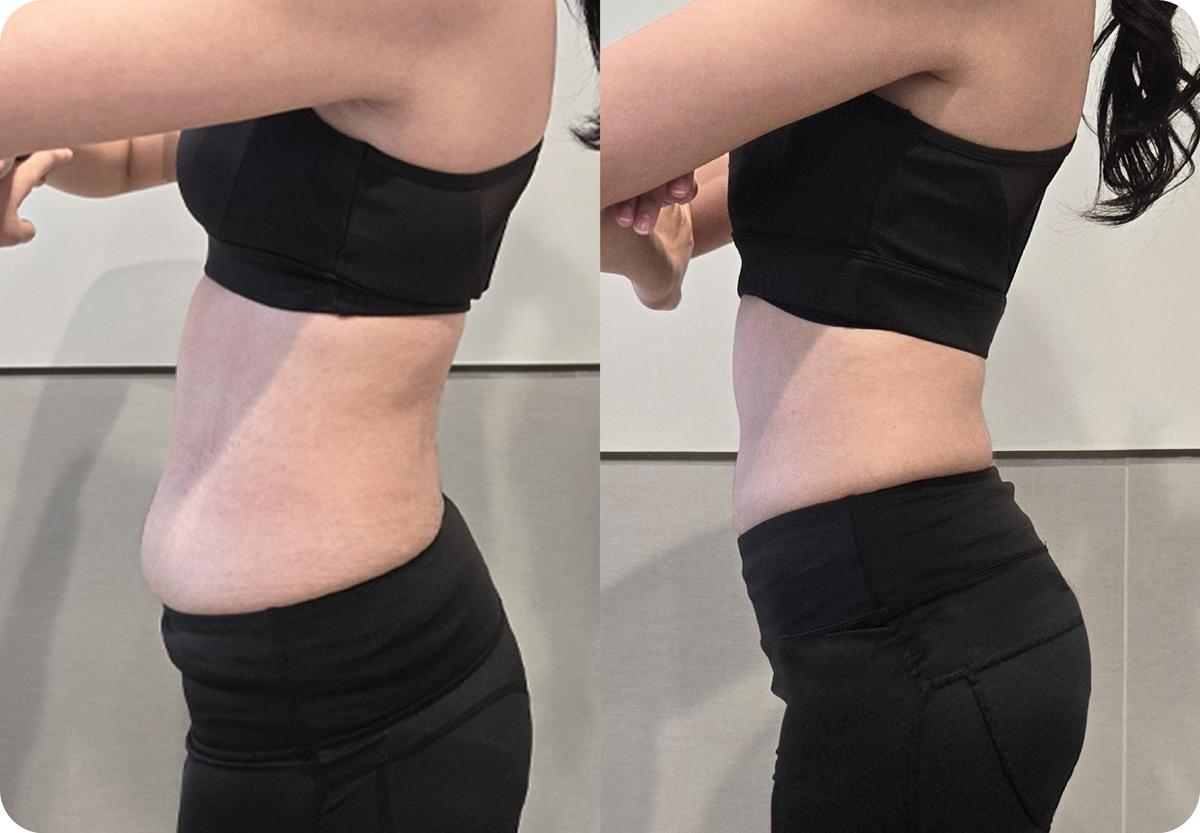
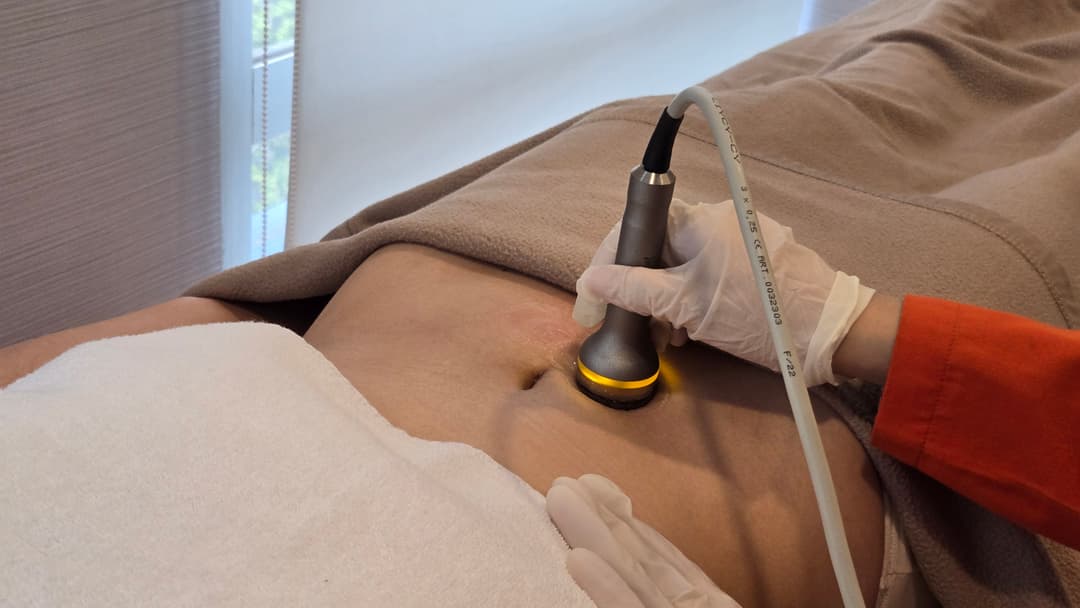
If you're experiencing loose skin after weight loss, Ultimate Reset & Relieve by LDM (Local Dynamic Micro Massage) may be a suitable treatment option.
Using multi-frequency ultrasound technology, this treatment delivers gentle vibrations and a soothing warming effect to help accelerate tissue recovery while supporting overall skin quality, especially after body contouring procedures such as LAMS.
To learn more about Ultimate Reset & Relieve by LDM at Akasia 365mc, please contact our call center for more information or to schedule a consultation.